In the automotive world, safety and convenience have always been priorities for drivers. With technological advancements, vehicle locking systems have undergone significant transformation. Once mechanical, they are now often electronic, offering a range of advanced features. These modern systems do not just secure the doors; they integrate technologies such as keyless entry, remote start, and even biometric recognition. These innovations not only enhance protection against break-ins but also provide a more intuitive and enjoyable user experience.
Technological Evolution of Automotive Locking Systems
The central locking system today represents the backbone of automotive security. Operating via a control unit, this system allows for the locking or unlocking of all doors of a vehicle simultaneously, thus providing undeniable convenience. The normally closed motors, installed in each door, ensure secure closure. The command can be given by a traditional key or, in more advanced configurations, by a transmitter that sends a specific radio signal to the control unit.
The introduction of keyless locking systems, known as keyless, marked a decisive step in the history of automotive security. These systems allow for automatic unlocking of the doors thanks to a proximity sensor that recognizes the driver when they are in close proximity to the vehicle. The rise of dedicated mobile applications offers the ability to control the locking of doors remotely, adding an extra layer of flexibility and control for the user.
With the sophistication of technology comes the complexity of maintenance and security. The reprogramming of a car key becomes a technical procedure that requires specialized expertise, highlighting the need for increased skills among industry professionals. Keyless systems, while convenient, also introduce challenges in terms of security, particularly due to potential vulnerabilities to electronic attacks, necessitating constant vigilance and regular updates of integrated security devices.
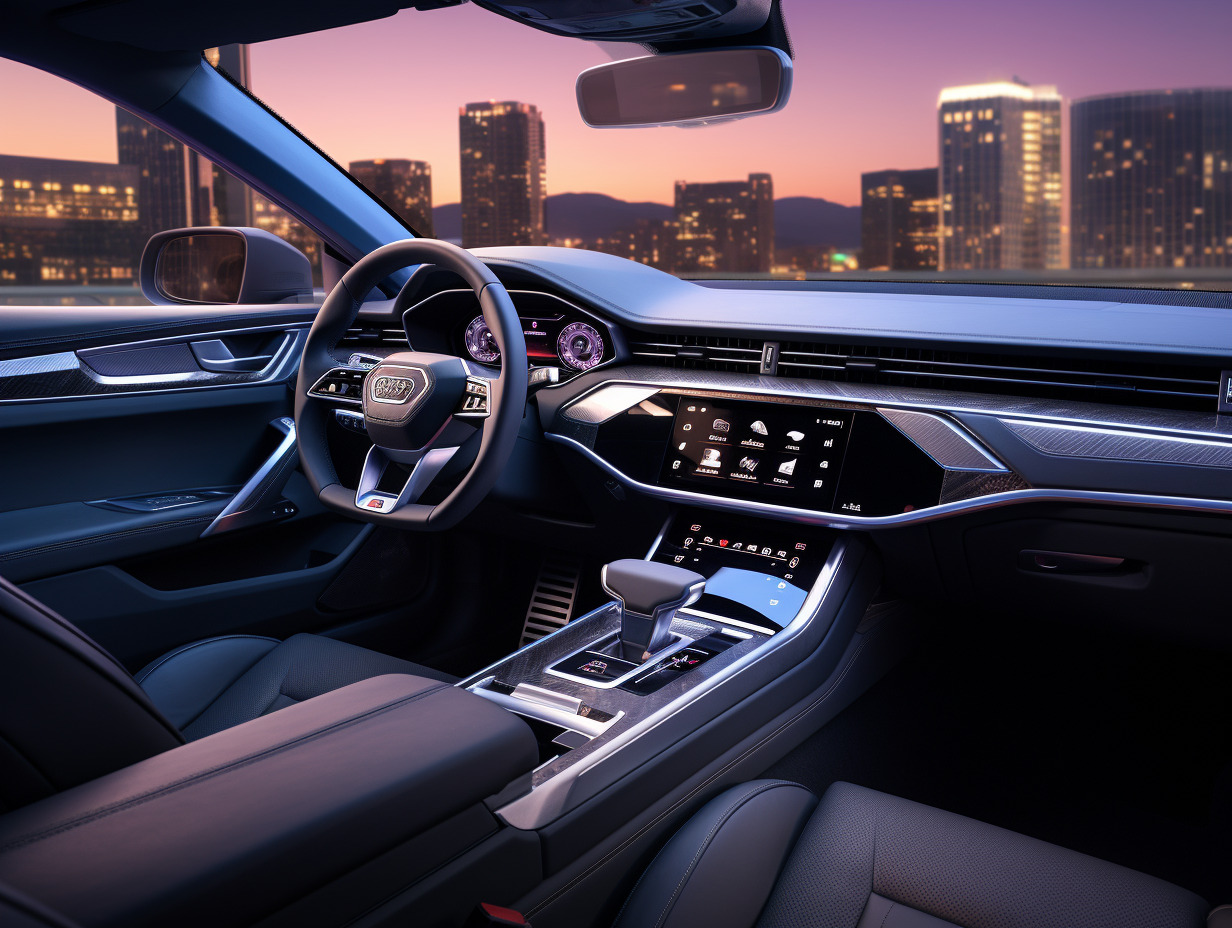
Benefits and Enhanced Security Through Lock Modernization
The central locking system offers a range of significant advantages for the contemporary driver. The convenience of such technology is undeniable, allowing for locating and accessing one’s vehicle with remarkable ease. Security, a cornerstone of this modernization, is strengthened by the deployment of complex mechanisms that restrict access to authorized individuals only. The ease of use is also evident in the ability to control locking functions remotely via mobile applications, providing an intuitive interface for the user.
The disadvantages of central locking deserve particular attention. The installation costs can be an economic barrier for some. The complexity of the systems implies an increased risk of malfunctions, which may require specialized technical interventions. The vulnerability to electronic attacks is also a concern, as thefts without break-ins are facilitated by the use of signal amplifiers that intercept the signal from keyless entry.
In light of these risks, the automotive industry is investing heavily in advanced security devices. The implementation of sophisticated encryption systems and the integration of biometric authentication protocols are examples of measures adopted to counter hacking attempts. Automotive security thus evolves in an ongoing race between technological innovation and the sophistication of threats.
The central locking system, despite its weaknesses, remains a guarantee of safety for users. The balance tips in favor of these modern devices, as the protection they offer against traditional manual intrusions remains superior. Manufacturers continue their efforts to balance user convenience and security, in search of a perfect harmony between accessibility and inviolability.