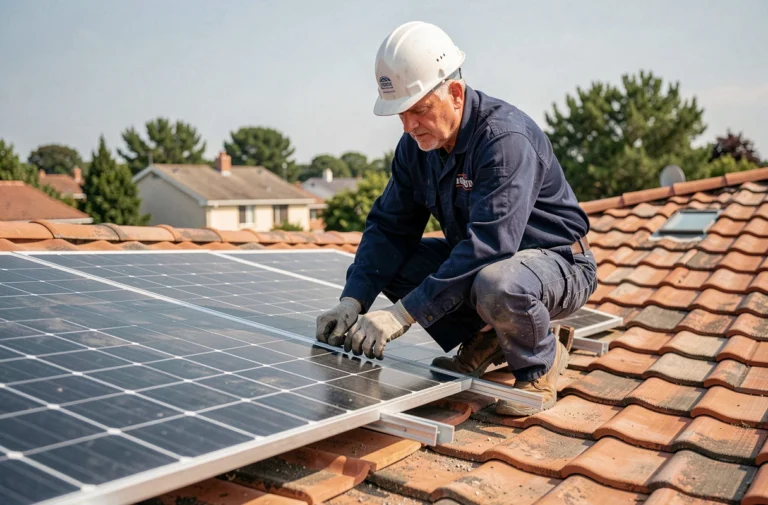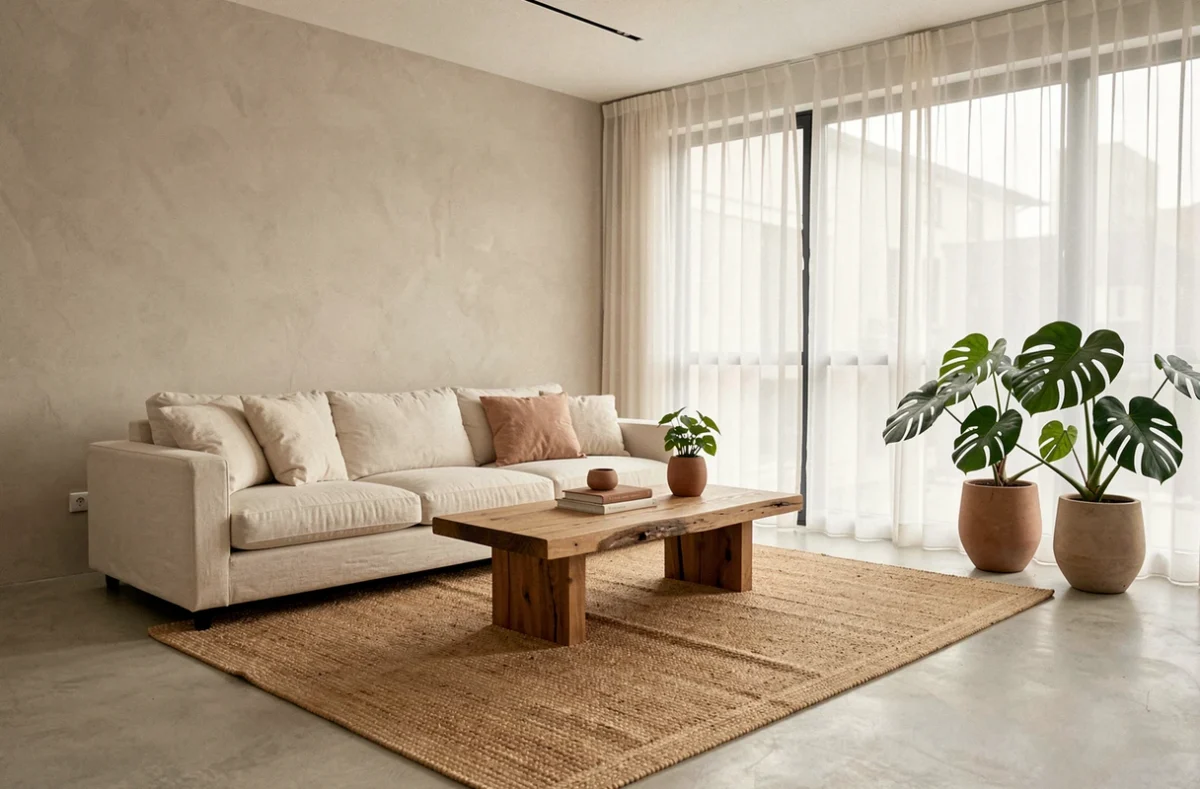
A façade wall that is crumbling, a kitchen where you bump into things at every meal, a terrace that is unusable six months a year: most interior and exterior renovation projects start with a concrete constraint, not a desire for decoration. Enhancing your home begins with solving everyday issues, then choosing materials and finishes that stand the test of time.
Energy renovation and layout: what has changed for financing
When considering a façade renovation or external insulation, the budget question comes before color choices. Since January 1, 2026, walls insulation is no longer eligible for the MaPrimeRénov’ “by gesture” pathway. These works must now be part of a comprehensive renovation, with a minimum gain of two classes in the energy performance diagnosis (DPE) and support from Mon Accompagnateur Rénov’.
In practical terms, if you planned to redo the exterior coating while taking advantage of insulation, you need to rethink the project as a whole. Public aid favors complete renovations, which guides choices: combining façade renovation with window replacement, ventilation, and a decarbonized heating system has become the norm to access funding.
Even outside of MaPrimeRénov’, some schemes remain accessible. Energy savings certificates and zero-interest eco-loans still cover insulation, windows, and certain heating equipment. Projects carried out by specialists like In & Out allow for the combination of interior and exterior layout with energy performance in a single project, simplifying financial arrangements.
Kitchen and bathroom: material choices that change usage
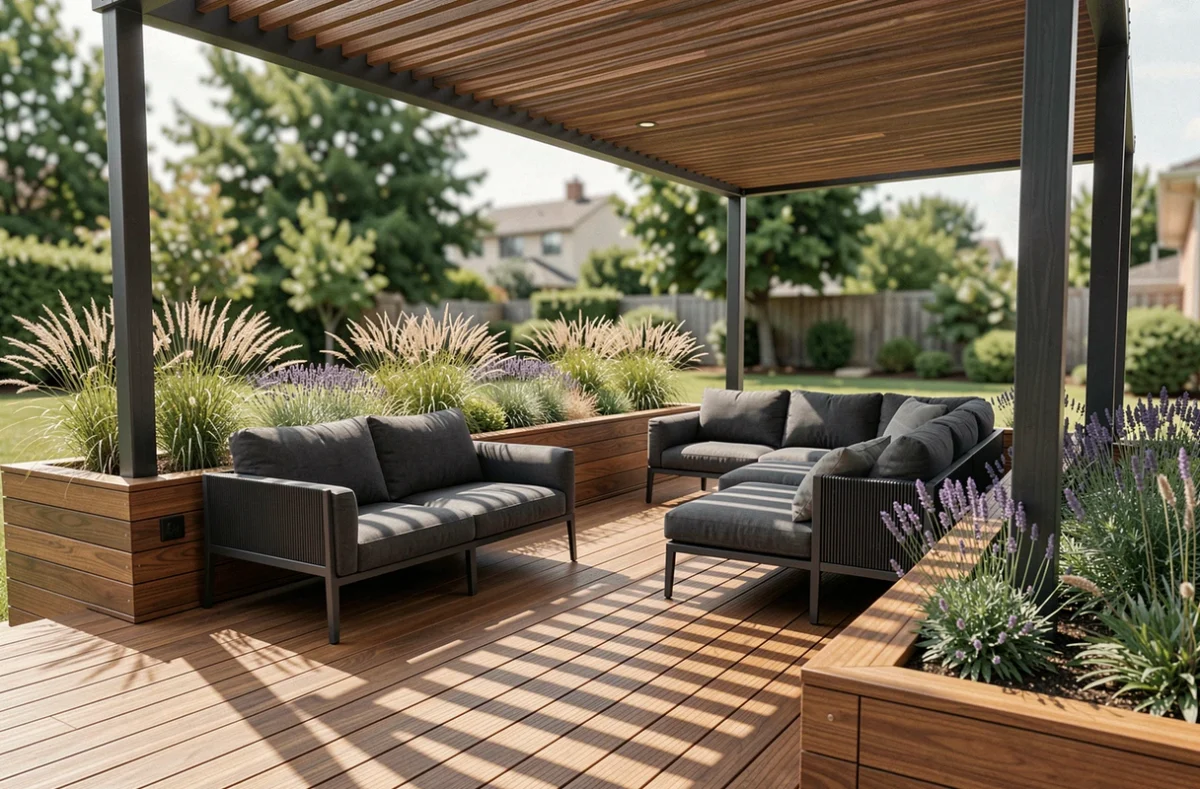
We see many photos of open kitchens with a central island made of solid wood. In reality, raw wood in a kitchen requires regular maintenance (oil, sanding) that most households abandon after two years. A quartz or ceramic countertop is more resistant to stains and heat without needing seasonal treatment.
For the bathroom, the trend towards large-format tiles (60 x 120 cm slabs or larger) reduces the number of joints, which limits mold and facilitates cleaning. Feedback varies on this point depending on the quality of the installation: an experienced tiler achieves a clean result, but an approximate installation on an uneven floor creates lips between the slabs.
Colors and coatings that last in daily use
Terracotta shades and deep greens dominate current palettes for wet rooms. In practice, a matte paint in a poorly ventilated bathroom will blister within months. Opting for a satin finish or a waterproof coating protects the walls without sacrificing decorative effect.
On the flooring side, ceramic stoneware that mimics wood provides the visual appeal of parquet with water resistance. It’s an effective compromise for humid rooms as well as living areas, provided you choose an appropriate slip-resistant rating (R10 minimum for a bathroom).
Exterior layout: fence, terrace, and garden designed together
Fences, terraces, and gardens are often treated as three separate projects. The result: materials that do not harmonize and additional costs for corrections. Planning the exterior layout as a single project allows for shared earthworks, harmonizing levels, and installing networks (lighting, irrigation) all at once.
Fencing and façade design: material consistency
A composite slat fence matches a cladding of the same tone on the façade. Natural wood (treated pine, larch) remains cheaper to purchase but requires staining every two to three years. Powder-coated aluminum panels only need an annual wash and retain their color longer.
- Wood-resin composite does not gray and resists insects, but costs significantly more than treated autoclaved wood.
- Powder-coated aluminum offers nearly unlimited color customization and integrates well with contemporary homes as well as renovations.
- The gabion (metal cage filled with stones) creates a massive separation that absorbs noise, useful along roadways.
Terrace and garden space: consider usage before design
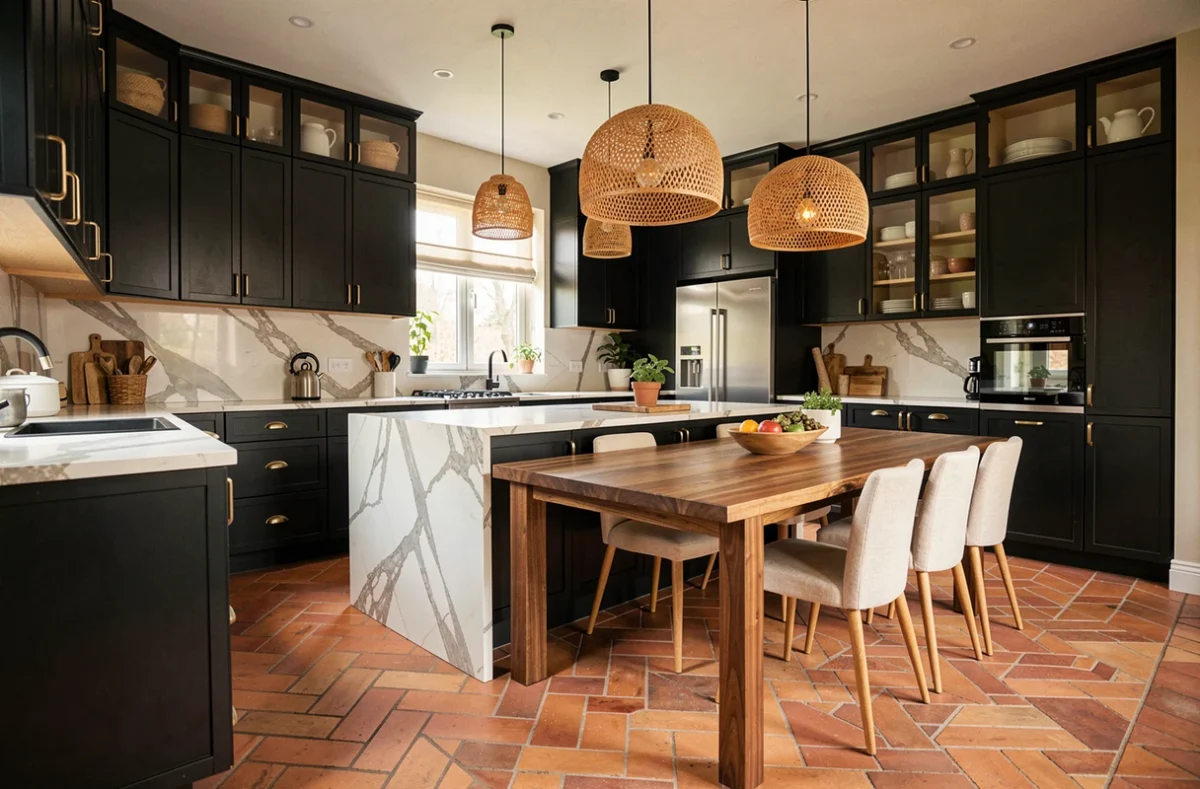
Before choosing between terrace boards and slabs, define the usage: outdoor meals, children’s play, workspace. A dining area requires a stable, flat surface. A relaxation space can tolerate more rustic materials like stabilized gravel or irregular natural stone.
For small gardens, an elevated terrace visually enlarges the space and conceals technical formwork (LED lighting, integrated irrigation). Adding vegetation in planters rather than in the ground simplifies maintenance and allows for rearranging according to the seasons.
Interior and exterior decoration: ensuring visual continuity
The separation between inside and outside blurs when the same flooring is used on both sides of a bay window. An identical ceramic stoneware laid in the living room and on the terrace creates a visual continuity that enlarges both spaces. The technical constraint: the outdoor tile must be frost-resistant and slip-resistant, so plan for a structured finish rather than a polished one.
Lighting plays a similar role. Wall sconces with the same design in the entry hallway and on the façade unify the perception of space upon arrival. Recessed floor lights along the pathway extend this guiding line into the garden.
- Using the same color palette (façade, fence, interior walls) limits visual breaks.
- Choosing outdoor lights with an IP65 rating ensures weather resistance without compromising design.
- Installing blinds or bioclimatic pergolas allows for modulating the indoor-outdoor boundary according to the weather.
A successful layout is not measured by the number of trends adopted, but by the coherence between technical constraints, actual budget, and daily usage. The most sustainable projects are those where each material has been chosen for its durability as much as for its appearance, and where financing has been secured before the first blow of the hammer.