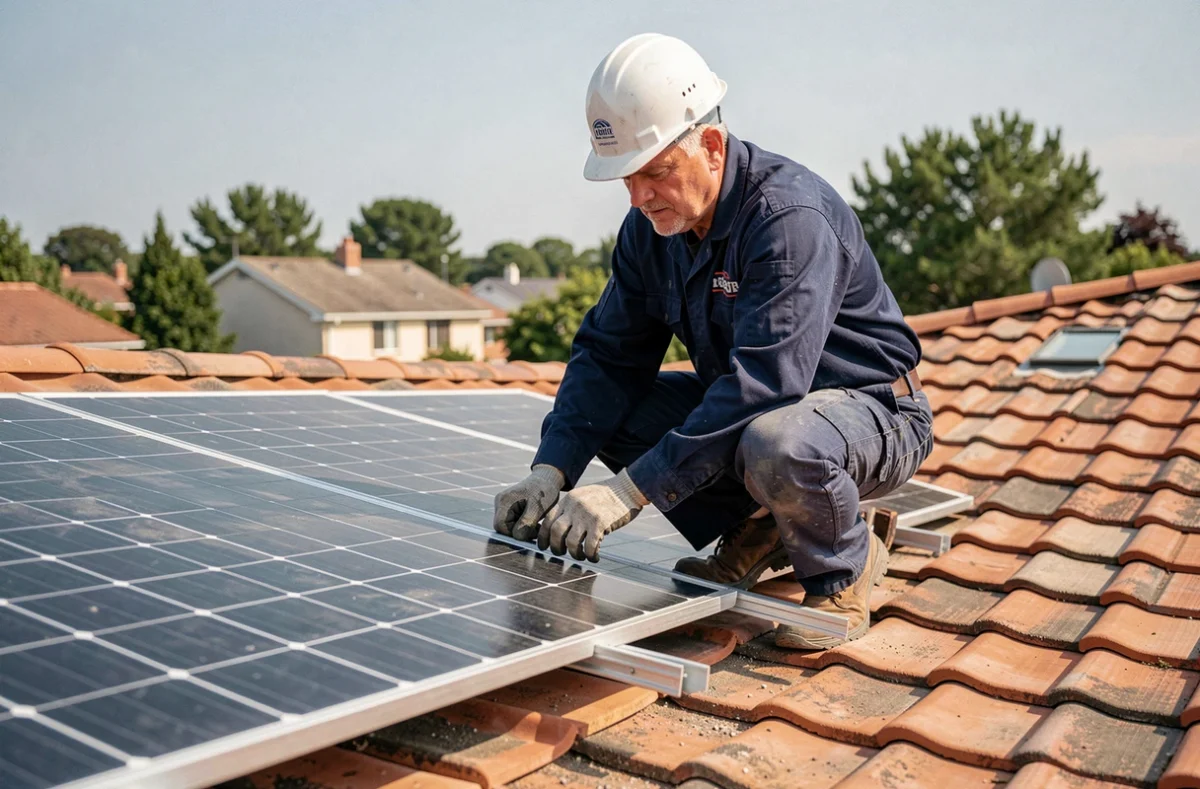
A photovoltaic solar panel converts light radiation into electricity through the photoelectric effect, discovered in the 19th century and industrialized since the 1950s. Solar energy relies on silicon cells that generate direct current, which is then transformed into alternating current by an inverter to power a home or be injected into the grid.
Tariff Order of March 2025: What Changes for Residential Solar
The tariff order of March 26, 2025, has profoundly altered the economics of residential photovoltaics in France. The self-consumption bonus has been reduced, the compensation for surplus lowered, and total sale has been eliminated for installations of 9 kWc or less.
This elimination means that an individual equipped with a small roof can no longer simply resell all of their production. They must consume a significant portion of the electricity produced to make their installation profitable.
Direct self-consumption thus becomes the pivot of profitability. Shifting usage to sunny hours (running the washing machine in the middle of the day, programming the water heater in the afternoon) is no longer just optimization advice among others; it is the condition for the investment to remain relevant. For more in-depth information on regulatory and technical developments in solar energy, a useful resource: https://energiesolaires.fr/.
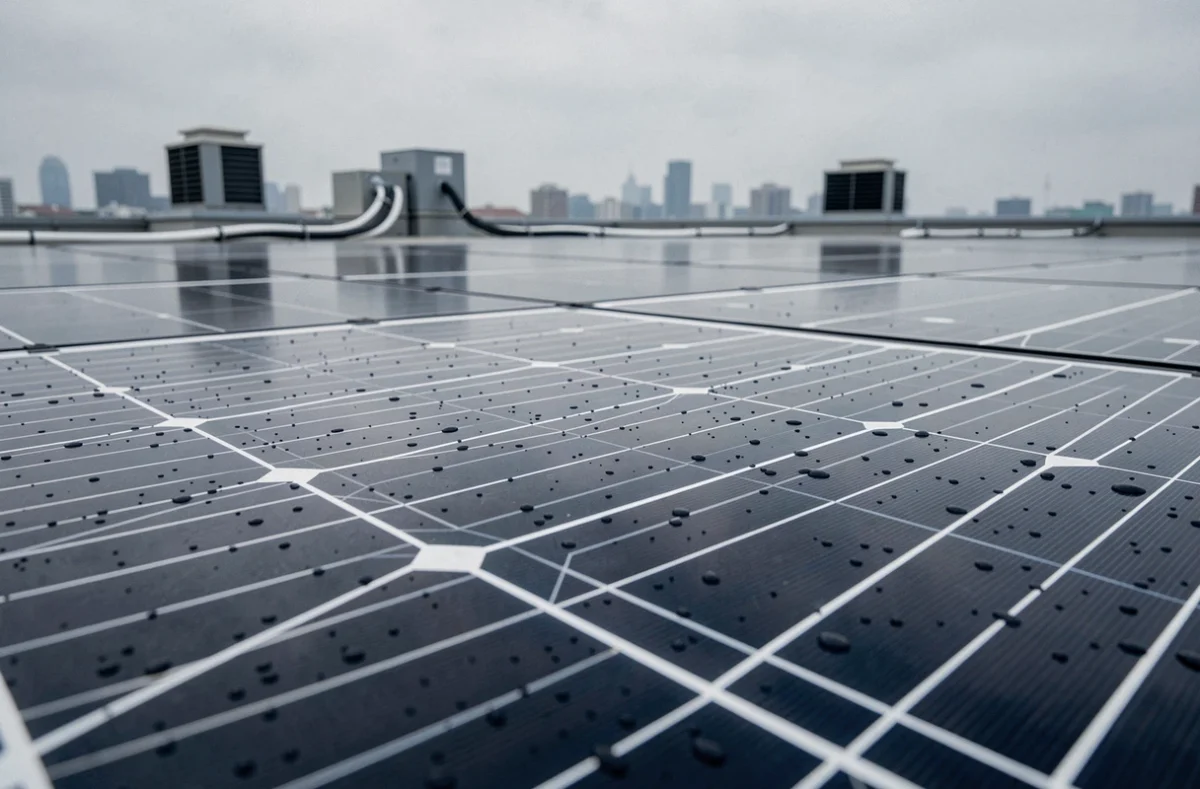
Sizing a Solar Installation: The Hourly Profile Before Roof Area
Most solar guides start from the available roof area. Since the tariff reform, this approach is insufficient. Sizing must first integrate the household’s hourly consumption profile.
A household where occupants work outside all day consumes little between 10 AM and 4 PM, exactly when the panels produce the most. Without batteries or controllable uses, the surplus generated will be poorly valued.
Controllable Uses to Consider Before Choosing a Power Rating
- The production of domestic hot water via a thermodynamic balloon or a classic water heater programmed for solar hours absorbs a significant portion of daytime production
- Charging an electric vehicle during the day can consume almost all of the production of a standard residential installation
- Electric heating or reversible air conditioning, controlled by a connected thermostat, allows part of the consumption to be shifted to high production periods
An installer who proposes a power rating without analyzing these uses is sizing blindly. Always request a simulation based on your hourly consumption readings, available in your Enedis customer area.
Solar Self-Consumption and Energy Management in 2026
Photovoltaic self-consumption involves directly using the electricity produced by one’s panels, without going through the grid. The self-consumption rate measures the share of production actually consumed on-site.
A high self-consumption rate depends less on technology than on the household’s habits. Two identical houses equipped with the same solar panels can show significant differences in profitability depending on whether the occupants adapt their usage or not.
Reduced VAT: Conditions and Pitfalls to Know
For residential installations up to 9 kWc, a reduced VAT rate exists under certain conditions. The panels must meet carbon footprint criteria, the installation must include a energy management system, and the use of a qualified professional is mandatory.
The intermediate rate of 10% is no longer applicable after December 31, 2025, according to the order of September 8, 2025, and the 2026 finance law. Check with your installer the applicable rate before signing a quote, as the VAT difference represents several hundred euros on a complete installation.

Photovoltaic Solar Panels: Advantages That Withstand Regulatory Tightening
Despite the reduction in subsidies, solar energy retains structural advantages that regulation does not undermine.
Self-produced electricity provides lasting protection against rising regulated tariffs. Each kilowatt-hour consumed directly is a kilowatt-hour not purchased from the grid, whose price is steadily increasing.
The lifespan of solar panels far exceeds the amortization period, even with the new scales. Manufacturers generally guarantee significant production even after more than two decades of operation.
- Solar energy produces no carbon emissions during operation, unlike fossil sources that still supply part of the French electrical mix during peak periods
- A photovoltaic installation has no moving parts (except for solar trackers), which reduces maintenance costs to periodic cleaning and inverter checks
- Solar production coincides with summer consumption peaks related to air conditioning, which enhances the relevance of self-consumption in warm regions
Panel Efficiency: What Influences It
Orientation, tilt, partial shading, and ambient temperature affect actual efficiency. A panel facing directly south with an angle suited to the latitude produces significantly more than a panel oriented east or west.
Micro-inverters or power optimizers limit the impact of partial shading by allowing each panel to operate independently. On a partially shaded roof, this technology can make the difference between a profitable installation and a disappointing investment.
The energy transition partly relies on households’ ability to produce and consume their electricity locally. With the tightening of surplus buyback conditions, residential solar in France now rewards those who precisely size their installation and adapt their daily usage to the production curve.