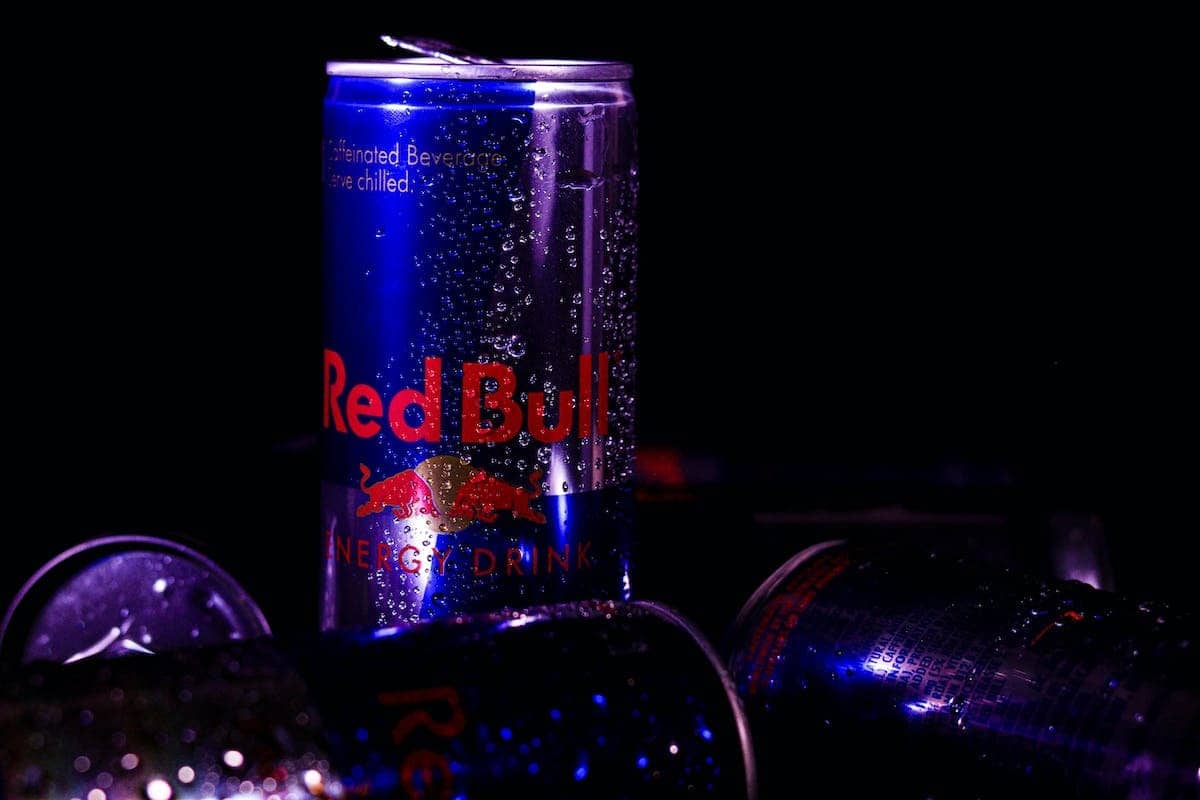
Two giants undeniably dominate the energy drink market: Red Bull and Monster. These two brands, known for their distinctive taste and stimulating effect, have become iconic but differ in several aspects. In this perspective, we will look at the main differences between these two drinks, highlighting their composition, marketing strategy, cultural influence, and market performance. This comparison aims to enlighten consumers about what makes these two energy drinks unique and sets them apart.
Red Bull and Monster: An Energizing Story
The comparison between Monster and Red Bull begins with a look at their history and origins. Red Bull, created in 1987 by Dietrich Mateschitz, was first introduced in Austria before conquering the global market. Its iconic energy drink was born from a unique formula that combines caffeine, taurine, and B vitamins to provide an instant energy boost.
On the other hand, Monster Energy was born in 2002 thanks to Hansen Natural Corporation in the United States. This bold brand quickly stood out with its striking logo and intense flavors.
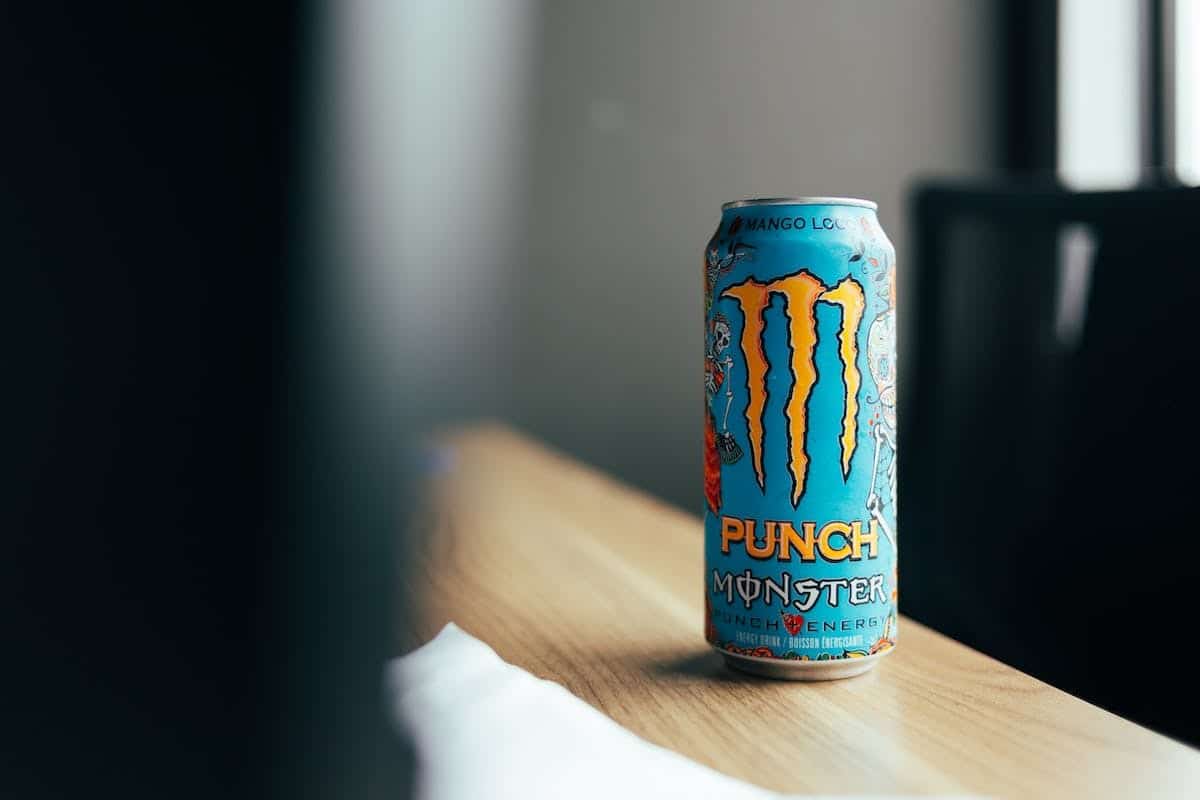
Red Bull and Monster: Decoding Their Ingredients
Now, let’s take a look at the distinct ingredients and compositions of these two energy drinks. Red Bull primarily consists of caffeine, taurine, glucuronolactone, and a variety of B vitamins such as niacinamide, pantothenic acid, pyridoxine, and cobalamin. These components work synergistically to stimulate the central nervous system, increase alertness, and temporarily reduce fatigue.
In contrast, Monster Energy has a slightly different formulation. In addition to a substantial dose of caffeine, it also contains ingredients such as ginseng, guarana, glucose, and various amino acids like L-carnitine and inositol. These elements are intended to provide a sustained energy boost while enhancing physical performance.
It’s worth mentioning that Red Bull offers different variants depending on the countries where it is marketed. Some versions contain standard sugar or artificial substitutes like aspartame or sucralose to cater to individual caloric preferences. Meanwhile, Monster Energy offers a wide range of enticing flavors such as Original Green, Ultra Sunrise, or Absolute Zero, to name just a few.
Chemically speaking, some critics point out that these drinks contain sometimes controversial additives like artificial colorings and preservatives. But what truly sets Red Bull apart from Monster Energy is their respective dosages of each ingredient, which can influence the intensity and duration of the stimulating effect.
Red Bull and Monster Energy stand out due to their unique compositions and specific ingredients. While Red Bull relies on a precise combination of caffeine, taurine, and B vitamins to deliver an instant energy boost, Monster Energy offers a different blend with elements like ginseng, guarana, and various amino acids for more sustained effects. Each energy drink has its own distinctive characteristics that may align with individual needs in terms of effectiveness and flavor. These aspects should be considered when choosing which one to consume, keeping in mind that excessive consumption can have adverse health effects.
Red Bull vs Monster: The Flavor Battle
Now let’s address an essential aspect: the taste differences between Red Bull and Monster Energy. These energy drinks are distinguished by their distinctive flavors and unique taste profiles.
Red Bull, with its original formula, offers a sparkling sensation accompanied by a slight fizz in the mouth. Its taste is often described as tangy, slightly sweet, and somewhat bitter. Red Bull enthusiasts appreciate its characteristic aroma that can remind one of citrus, with a refreshing hint of acidity.
On the other hand, Monster Energy offers a whole range of flavors from the classic Original Green to bolder options like Fruit Punch or Ultra Sunrise. Each variety has its own distinctive taste profile to satisfy all palates. Some prefer the fruity sweetness of Ultra Sunrise while others are drawn to the complexity of the tropical blend of Fruit Punch.
Red Bull and Monster: Boosters of Physical and Mental Performance
The effects on physical and mental performance are a crucial aspect to consider when comparing Red Bull and Monster Energy. Both of these energy drinks are known for their stimulant properties, which are said to enhance endurance, concentration, and overall performance.
Red Bull is known for its high caffeine content, which can increase energy levels and promote alertness. This can be beneficial for athletes or students looking to stay focused for an extended period. Consuming Red Bull can also lead to a temporary increase in heart rate and blood pressure, which may contribute to improved physical performance to some extent.
On the other hand, Monster Energy distinguishes itself with its unique composition that includes stimulating ingredients such as taurine, ginseng, and L-carnitine. These components can help boost physical energy as well as enhance muscle endurance during intense sports activities.
It’s important to note that these benefits should not be overstated or considered a substitute for traditional performance-enhancing methods such as healthy eating, regular exercise, and adequate sleep. Energy drinks can provide a temporary boost, but they should not replace a balanced lifestyle.
It should be emphasized that each individual reacts differently to these energy drinks. Some may experience a significant increase in energy and performance, while others may be more sensitive to side effects such as headaches, sleep disturbances, or nervousness.
Red Bull and Monster Energy are two popular brands of energy drinks that offer distinct tastes and slightly different compositions.
Red Bull and Monster: Well-Targeted Marketing Strategies
The marketing strategies implemented by Red Bull and Monster Energy are key elements of their commercial success. Each of these brands targets a specific audience, using distinctive marketing approaches to attract and retain their consumers.
Red Bull has positioned itself as a lifestyle brand, associated with the extreme world of action sports. By sponsoring sporting events such as car races or extreme sports competitions, Red Bull appeals to a young, dynamic audience eager for thrills. The brand also employs storytelling to create a strong identity around the slogan ‘Red Bull gives you wings.’ This approach helps establish a connection with consumers while reinforcing the energizing image of the drink.
On the other hand, Monster Energy adopts a more subversive approach in its communication. The brand leverages monster iconography to create a dark and rebellious universe that particularly attracts young adults who are into skateboarding, BMX, or motocross. Partnerships with iconic athletes in these disciplines enhance the underground image sought by Monster Energy.
Visually, Red Bull opts for a minimalist design that is recognizable thanks to its well-known logo featuring two red bulls. The choice to use this powerful symbol allows Red Bull to assert its strength in the market while creating a strong visual identity.
In contrast, Monster Energy relies on bold packaging with its famous fluorescent green logo reminiscent of the radiation symbol. This distinctive design grabs attention and easily stands out from other energy drinks on the shelves.
It’s interesting to note that Red Bull has managed to extend its influence beyond the energy drink market by diversifying into other fields such as media, motorsport, and even extreme sports. In contrast, Monster Energy remains more focused on the beverage sector and has not ventured as far in its expansion strategy.
Although both Red Bull and Monster Energy are popular in the energy drink industry, they adopt different marketing approaches to attract their respective targets. While Red Bull focuses on a dynamic lifestyle image associated with extreme sports, Monster Energy plays the underground rebel card. These strategies allow them to establish a strong identity among specific consumers while distinguishing themselves from each other in a highly competitive market.