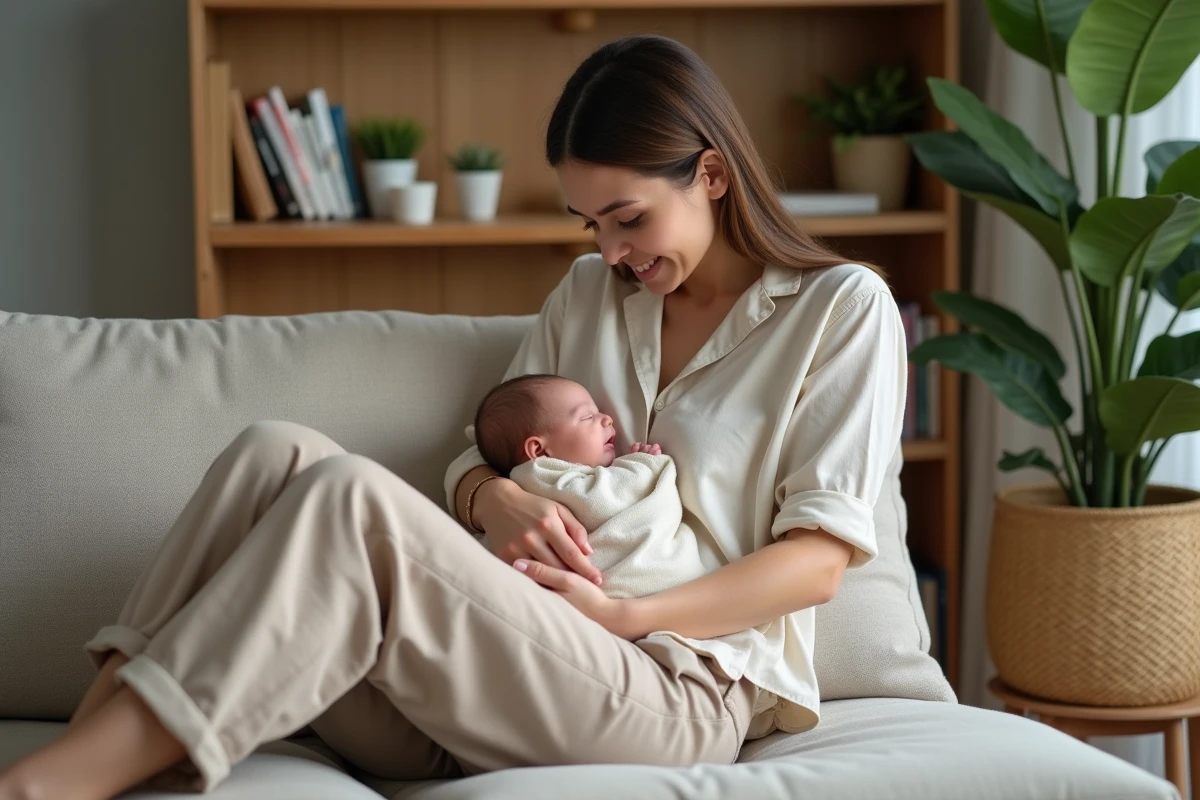
One in two births in France takes place with an epidural, but some women choose other options to manage pain. Natural techniques are gaining ground, supported by studies demonstrating their effectiveness in reducing anxiety and boosting the confidence of expectant mothers.
Natural childbirth: what you need to know to approach pain calmly
Choosing to give birth without an epidural, without medical intervention, is increasingly appealing to women in France today. This path is not trivial: it raises debates, questions, and sometimes even apprehension. However, solid preparation offers powerful tools to navigate pain and make this moment a fully experienced event. Deep breathing, positive visualization, and compassionate support, whether from a partner or a midwife, change the perception of pain and accompany the mother throughout the process.
In advance, writing a birth plan provides the opportunity to clarify expectations: desired ambiance, freedom of movement, accepted or rejected interventions. This document structures the journey, builds trust, and facilitates dialogue with healthcare professionals. According to INSEE, the declining trend in births brings the question of choice and the quality of childbirth to the forefront of parents’ and families’ concerns.
Mental preparation and support are not just a passing trend. Natural approaches, like those offered on naturallymom.fr, focus on body awareness, fear management, and the strength of the mother-baby bond. The expectant mother can consider a physiological birth, whether in a birth center or at the hospital, while remaining an active participant in her story. Pain, tamed, then becomes an expression of power, far from any resignation.
What methods to manage pain without an epidural? Practical advice and reassuring alternatives
The question of pain during childbirth raises inquiries and fears, but it also opens the door to a multitude of natural solutions. Expectant mothers today are rediscovering the wealth of bodily and emotional resources to navigate this stage, supported by dedicated professionals and present loved ones.
Body techniques and human support
Here are some concrete approaches that can help manage pain and enhance self-confidence:
- Haptonomy, practiced with the partner, creates in-utero contact with the baby and provides a sense of security for the mother while encouraging deep relaxation. This touch, guided by a midwife or doula, offers the couple a space for listening and discovery.
- The Bonapace method combines breathing, visualization, massage, and acupressure point stimulation. The partner, often the father, becomes an active participant in alleviating contractions, which strengthens the couple’s bond.
- Perineal massage, practiced during pregnancy, helps reduce the risk of tearing or episiotomy. This simple and gradual gesture is learned during prenatal sessions and fosters confidence in one’s own body.
Mental preparation complements these practices. Visualizations, positive affirmations, relaxation exercises: all tools that help transform the perception of pain. Taking care of oneself, understanding one’s needs, and relying on sisterhood, this network of supportive and caring women, contribute to nurturing each mother’s inner strength.
Support from a midwife, doula, or perinatal consultant, like the program Enceinte et Sereine, offers personalized follow-up that ranges from medical monitoring to natural support, without neglecting the postpartum period. For example, Anaïs Legrand provides support in Gard and Bouches-du-Rhône, while Caroline Ferriol offers valuable insights on infant sleep. With such support, natural childbirth becomes an adventure experienced with competence, confidence, and respect for each choice.
The partner, a valuable ally: how to support the expectant mother throughout the experience
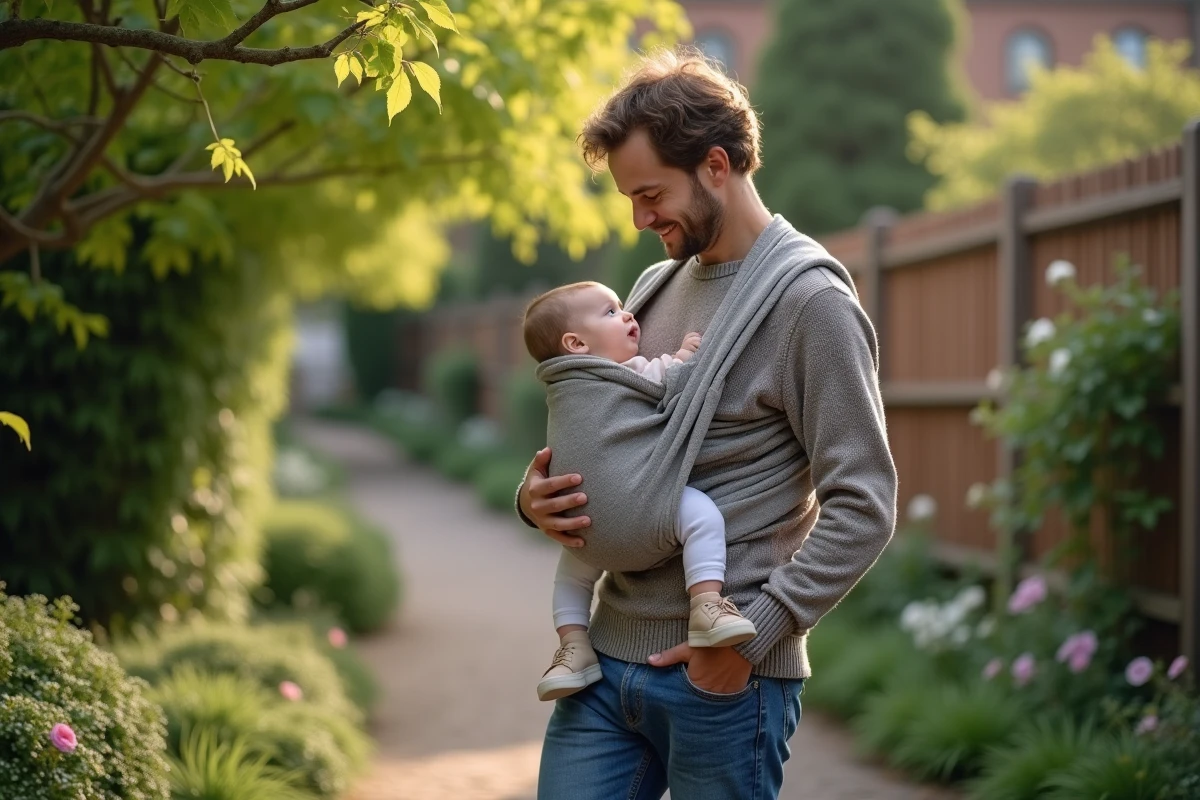
Discreet yet fundamental, the partner serves as a pillar throughout pregnancy and childbirth. Their role extends beyond the delivery room. Getting involved in appointments, informing themselves about the different stages of childbirth, and communicating with professionals: each step strengthens the couple’s bond.
Positive communication builds mutual trust, essential for facing moments of doubt. During physiological childbirth, the partner learns to recognize signals, offer a massage, encourage, or provide reassuring words. Sometimes, they even share some pregnancy symptoms: “couvade” illustrates this deep commitment.
After the birth, daily organization is rethought. Taking over care, calming cries, or preparing a meal are gestures that strengthen the relationship with the baby and lighten the mother’s load. Positive parenting encourages constant dialogue, listening, and respect for emotions, both in adults and children.
Day by day, the partner ensures family balance, so that everyone finds their rightful place. Emotional education, gentle discipline, autonomy: these values shape an environment conducive to the child’s development. Natural parenting, far from dogmas, reveals itself in this daily sharing, where every gesture counts and every voice is heard.