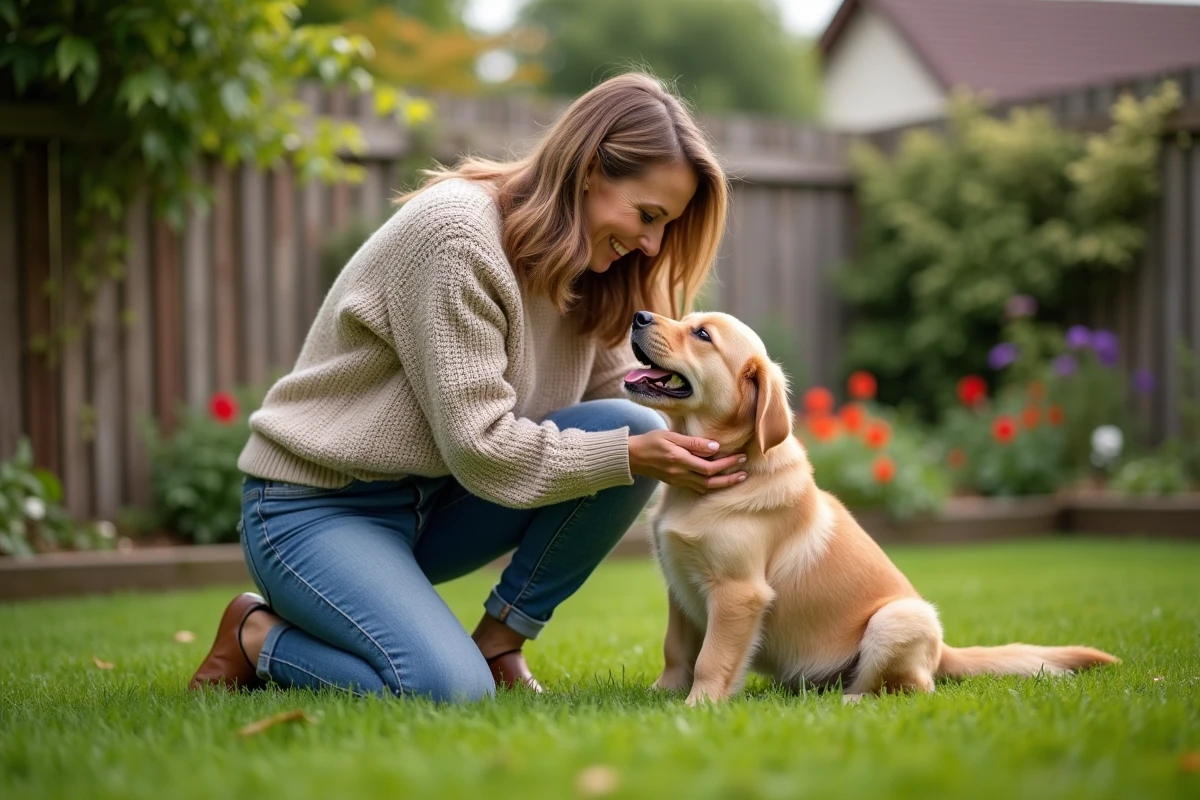
A dog that howls all day is not necessarily poorly trained. It may simply be suffering from a loneliness it has never learned to manage. Behavioral issues, often attributed to a lack of firmness, sometimes mask a deep misunderstanding of the animal’s real needs. And believing that it is enough to welcome a puppy to shape its character at will forgets how each breed, each individual, carries a history and requirements that contradict many clichés.
Veterinarians’ recommendations are changing, sometimes contrary to ingrained habits: diet, bathing frequency, vaccination schedule… All these topics unsettle owners, especially in the face of the diversity of breeds and lifestyles. It is impossible to standardize everything: each dog requires adjustments in care, pace, and support, without falling into routine or improvisation.
What to know before adopting or living with a dog
Before even taking the plunge, thoroughly researching the canine world makes all the difference. Welcoming a puppy or an adult dog is a commitment for many years, often more than ten. The equation is never the same: the breed, your lifestyle, the size of your home, your availability… everything matters. Some breeds (Cavalier King Charles, French Bulldog, Chihuahua) adapt better to apartment living, while others only envision happiness through long walks and exercise.
Before making your decision, here are the points to examine closely:
- Consult detailed profiles on each breed: temperament, adult size, health predispositions, activity requirements.
- Establish a realistic budget: specific food, veterinary visits, health insurance, accessories suited to the morphology and temperament of your future companion.
For cohabitation to work, socialization, intellectual stimulation, and physical activity are essential pillars. A dog left alone, without structure or occupation, can develop behavioral issues, regardless of its breed. On the Animal Passion website for dogs, you will find many resources to properly prepare for the arrival of a puppy, keep it intelligently occupied, or discover the specific needs of each breed.
Think about daily life: regular outings, play, consistent training, dental hygiene, disease prevention. A fulfilled dog is, above all, an animal whose fundamental needs are respected, avoiding ready-made recipes and shortcuts.
What are the keys to ensuring your dog’s well-being on a daily basis?
Finding the right balance is what makes the difference. A healthy dog displays stable energy, curiosity, and establishes a healthy relationship with its loved ones. Diet plays a driving role: adapt it to your companion’s age, size, and activity level. Carefully chosen kibble meets its nutritional needs and supports its digestion.
Training sets the framework. There is no need to shout or punish to be heard: consistency, coherence, and patience are the keys. Every dog is unique, and methods must adapt to its history, breed, and sensitivity. Games, walks, intelligence toys, obedience exercises: increasing physical and mental activities limits boredom and undesirable behaviors.
Health is built day by day. Regular veterinary visits allow for monitoring vaccinations, preventing parasites, and detecting silent diseases. Dental hygiene should not be neglected: brushing, specific foods, and suitable toys slow the buildup of tartar and infections. Finally, having health insurance limits unpleasant surprises in case of accidents or illness. Taking care of a dog means combining vigilance and kindness, and adjusting over the years.
Common mistakes and tips for taking care of your four-legged companion
Many owners overestimate their dog’s adaptability. However, each animal has its own needs and struggles with boredom or loneliness. Among the most common mistakes, lack of activities ranks first: without stimulation, the dog gets bored, becomes restless, and sometimes develops behavioral issues.
Here are some concrete suggestions to avoid the most common pitfalls:
- Vary activities: alternate walks, intelligence games, and socialization exercises to engage its mind and body.
- Monitor its diet: choose food suitable for its age and size, and avoid leftovers that are too rich or salty for its health.
- Adapt its living space: apartment living requires frequent outings and adjustments to prevent boredom.
Dental hygiene is often relegated to the background. However, tartar accumulates quickly and can lead to serious complications. Invest in regular brushing, toys, or specific solutions to prevent problems.
Finally, the classic mistake is to try to humanize your companion: misplaced expectations, reactions, or punishments blur mutual understanding. Observe it, adapt your actions to its canine reality, and prioritize consistency in daily life. Taking care of your dog is, above all, learning to understand it and anticipating what makes it calm and balanced.
Living with a dog means accepting that it will never be quite “like the others.” Its gaze, energy, and little quirks shape a unique daily life, provided you remain attentive and ready to progress with it, day after day.