Home comfort is no longer just a matter of decoration or furniture. In recent years, the concept of improving home comfort has shifted towards more structural issues: thermal insulation, temperature regulation, indoor air quality, and acoustics.
Recent public initiatives in France are directing energy renovation towards this combination of thermal comfort and air quality, rather than insulation alone. This change in perspective alters the list of equipment that truly deserves attention.
Ventilation and air quality: the blind spot of thermal comfort
When discussing improving the comfort of a home, the common reflex is to think of heating or wall insulation. Ventilation often remains relegated to the background. This is a misjudgment of hierarchy.
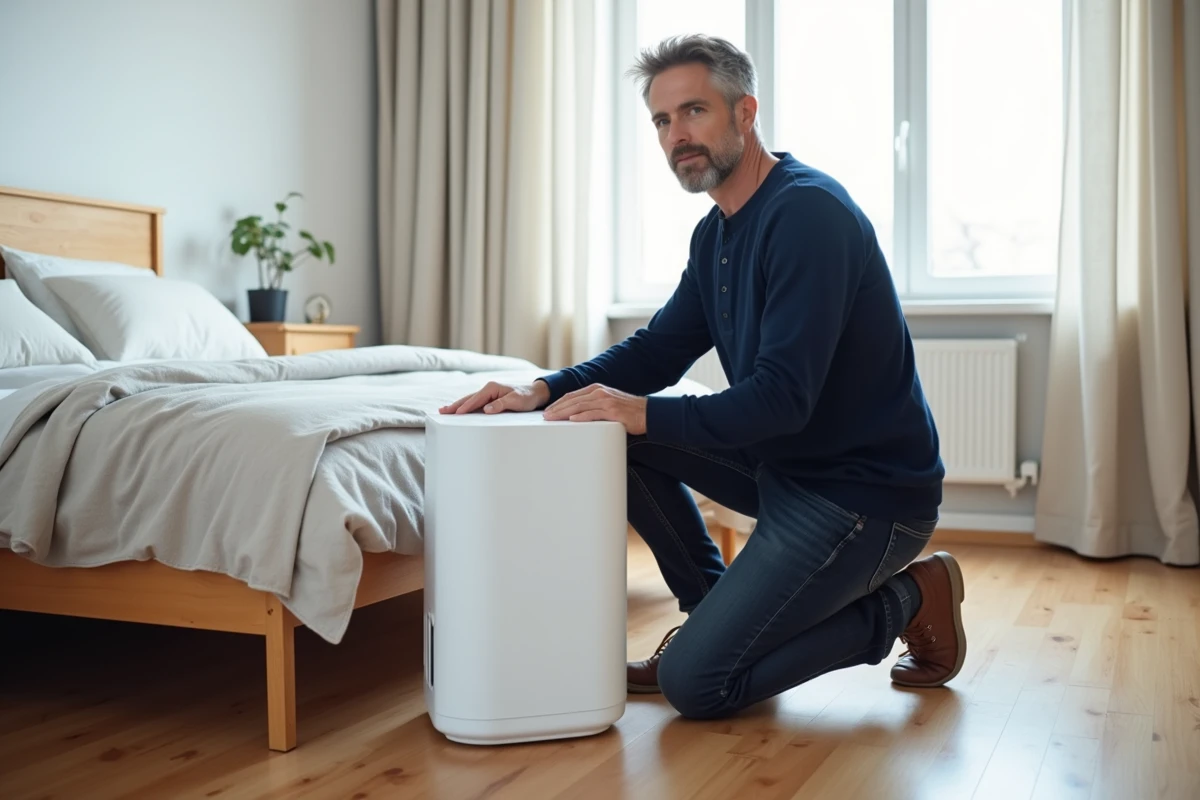
Effective insulation without appropriate air renewal creates a confinement effect. Humidity stagnates, indoor pollutants (volatile organic compounds, CO2) accumulate, and the comfort feeling deteriorates despite a stable temperature. Controlled mechanical ventilation with double flow recovers the heat from outgoing air while injecting filtered fresh air, maintaining a healthy indoor climate without wasting energy.
To identify the equipment available on Direct Home, it may be useful to compare ventilation systems with thermal regulation solutions before making a decision.
Field feedback varies on this point: some installers report that double flow MVHR requires regular filter maintenance to maintain its efficiency, which many homeowners neglect after the first year. The equipment alone is not enough; it is the usage that determines the actual comfort gain.
Thermal insulation and shutters: two aspects that should not be separated
Insulating walls (walls, roof, ground floor) remains the foundation of any thermal comfort project. However, its effectiveness strongly depends on an element often treated separately: shutters.
Motorized or connected roller shutters regulate solar gains in summer and limit heat loss through windows in winter. The combination of wall insulation and effective shutters addresses both sides of the thermal problem: the heat that enters and the heat that escapes.
What motorization of shutters changes
A manual shutter often remains open or closed by default, depending on the household’s habits. A connected shutter can automatically adjust based on the outside temperature or sunlight. This fine control of light and heat transforms the perceived comfort without touching the heating system.
The available data does not allow for precise quantification of the energy savings related to connected shutters compared to manual shutters, as it varies according to the orientation of the home, the glazed area, and the local climate. The comfort gain, however, is more unanimously reported by users.
Connected heating and intelligent temperature regulation
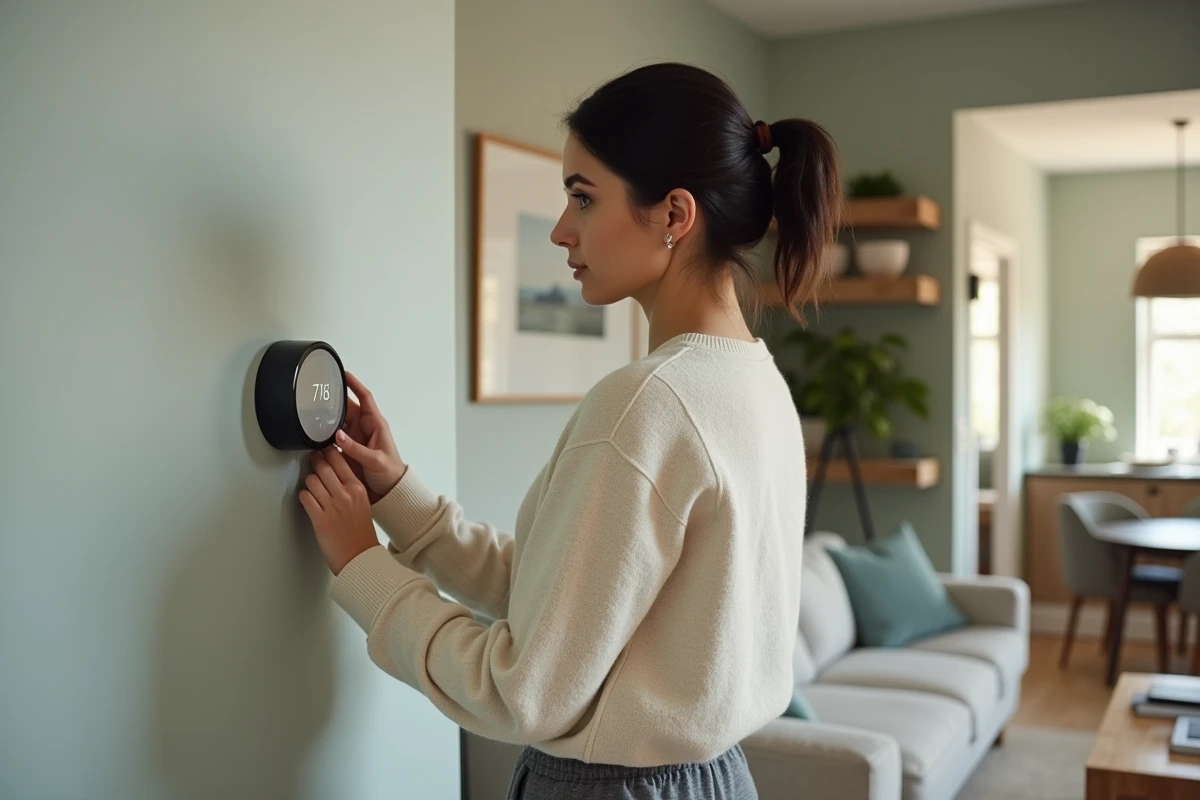
The connected thermostat likely represents the best investment/comfort ratio for a home that is already properly insulated. Its principle is simple: adapt the temperature room by room and hour by hour, rather than heating the entire home uniformly.
- Scheduling by time slots avoids heating at full power when no one is present, without sacrificing comfort upon waking or returning from work.
- Presence sensors integrated into some models adjust the setpoint in real-time, reducing the gaps between desired temperature and actual temperature.
- Remote control via smartphone allows for reacting to unexpected events (early return, prolonged absence) without leaving the heating running unnecessarily.
A connected thermostat does not compensate for poor insulation. In a poorly insulated home, fine temperature regulation encounters too rapid heat loss for comfort to improve sustainably. The order of work matters: insulate first, regulate later.
Acoustics and ergonomics: comfort beyond temperature
Remote work has made visible a long-ignored need in French housing: acoustic comfort. Working from home in a space where sounds circulate freely between rooms generates fatigue that has nothing to do with ambient temperature.
Sound insulation between living areas and workspaces can involve sometimes simple solutions (door seals, thick curtains, sound-absorbing panels) and sometimes more substantial ones (double walls, reinforced double-glazed windows). The choice depends on the nature of the noise (airborne or impact) and the layout of the home.
Lighting as a often underestimated comfort factor
Poorly adapted lighting strains the eyes, alters mood, and degrades sleep quality. Connected bulbs allow for modulation of intensity and color temperature according to the time of day.
- A cold and intense light in the morning promotes wakefulness and concentration.
- A warm and dimmed light in the evening prepares the body for rest.
- Automatic programming avoids the need to think about it manually, increasing the regularity of use.
Connected lighting affects comfort without any renovation work, making it an accessible entry point for both tenants and homeowners.

Improving the comfort of a home requires thinking in successive layers rather than isolated equipment. Thermal insulation and shutters lay the foundation. Ventilation and connected regulation refine the indoor climate. Acoustics and lighting address dimensions of comfort that temperature alone does not cover. Each home has its priorities, but the order in which these systems are deployed weighs as much as their individual quality.