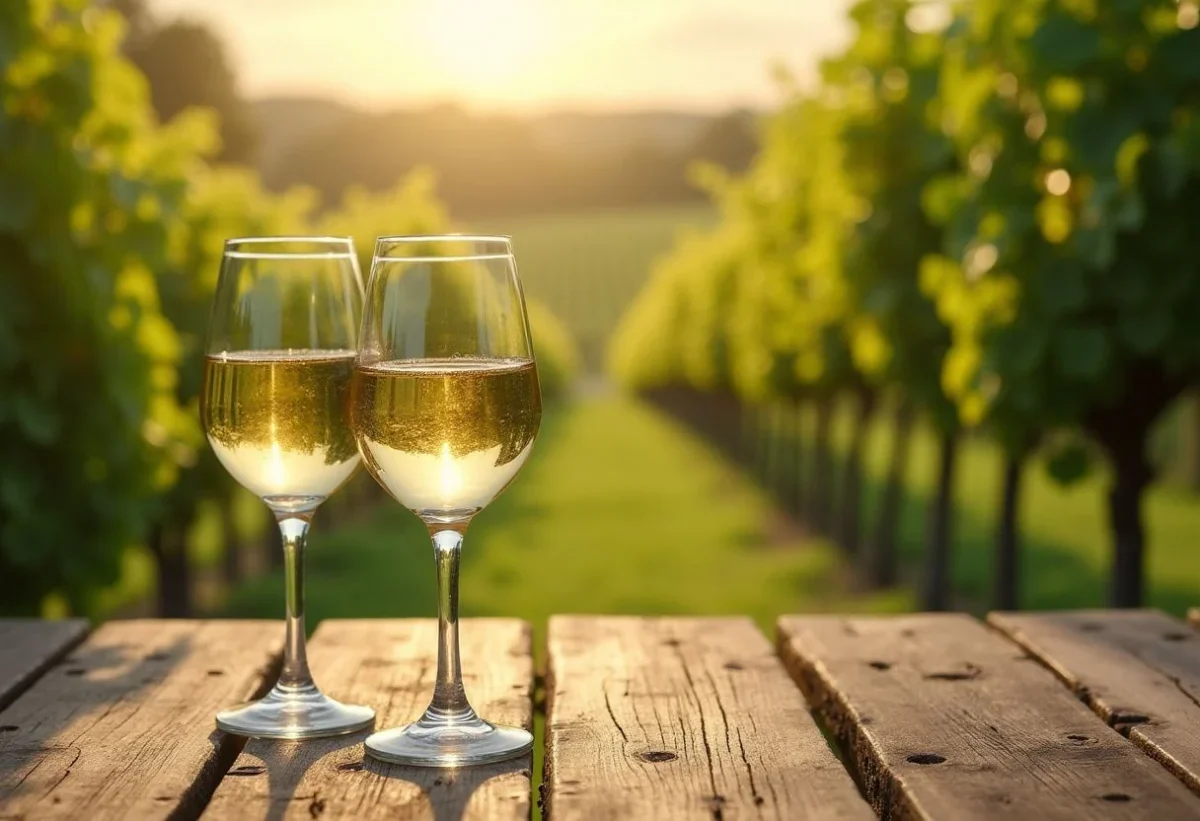
Chablis, an appellation synonymous with finesse and elegance, immediately evokes the freshness of its mineral notes and the purity of its grape variety, Chardonnay. Nestled in the north of Burgundy, this exceptional terroir offers wines that stand out for their freshness and complexity. White wine enthusiasts find a unique sensory experience here, where each sip is an invitation to explore the history and richness of a vineyard that has managed to preserve its ancestral know-how. Beyond its prestige, Chablis is also a reflection of the commitment of winemakers to produce quality wines that enhance French and global gastronomy.
A distinctive geological origin
The specificity of Chablis lies in the soil of the region, a perfect alliance between land and climate that gives the wine its distinctive character.
- The Kimmeridgian soil: Composed of clay-limestone marls, this soil, rich in marine fossils, offers the vines a unique terroir that imparts that famous minerality to Chablis.
- The continental climate: The influence of the continental climate, with its harsh winters and hot summers, allows for optimal ripening of the grapes, contributing to the perfect balance between acidity and fruitiness.
The vines thrive in this environment, producing wines that capture the very essence of the Burgundian terroir.
The different Chablis appellations
Chablis is divided into four appellations that define the typicity and quality of the wines produced in this region, each offering a distinct expression of this unique grape variety.
- Petit Chablis: often light and sprightly, this wine is ideal for a gentle introduction to the world of Chablis.
- Chablis: it expresses beautiful minerality, a balance between freshness and texture, perfect for pairing with seafood.
- Chablis Premier Cru: more complex, with intense aromas, it stands out for its ability to age while maintaining a harmonious balance.
- Chablis Grand Cru: the pinnacle of Chablis, with exceptional aromatic depth, destined for lovers of great wines.
Vinification and traditional know-how
The vinification process of Chablis relies on traditional methods that respect the integrity of the grape and the character of the terroir.
Winemakers practice reasoned viticulture, seeking to preserve the environment while producing high-quality wines. The harvests, often manual, allow for a rigorous selection of the bunches, thus ensuring the purity of the juice. Fermentation and aging, carried out in stainless steel tanks or oak barrels depending on the desired style, bring structure and depth to the wines. This know-how, passed down from generation to generation, ensures the continuity of the exceptional quality of Chablis.
Food and wine pairings: enhancing Chablis
To fully appreciate a Chablis, it should be paired with dishes that will highlight its delicate aromas and freshness.
Its minerality and acidity make it a perfect partner for seafood and fish. A Chablis Premier Cru pairs beautifully with a pork tenderloin, creating a perfect symbiosis between the texture of the meat and the finesse of the wine. To discover other possible pairings with Chablis wine, it is recommended to pair it with dishes rich in umami, such as mushrooms or cheese, thus revealing the full aromatic palette of the wine.
Chablis represents much more than a wine; it is a true expression of the history and heritage of Burgundy. By tasting a Chablis, one savors a part of this region, with its rolling landscapes and passionate winemakers.